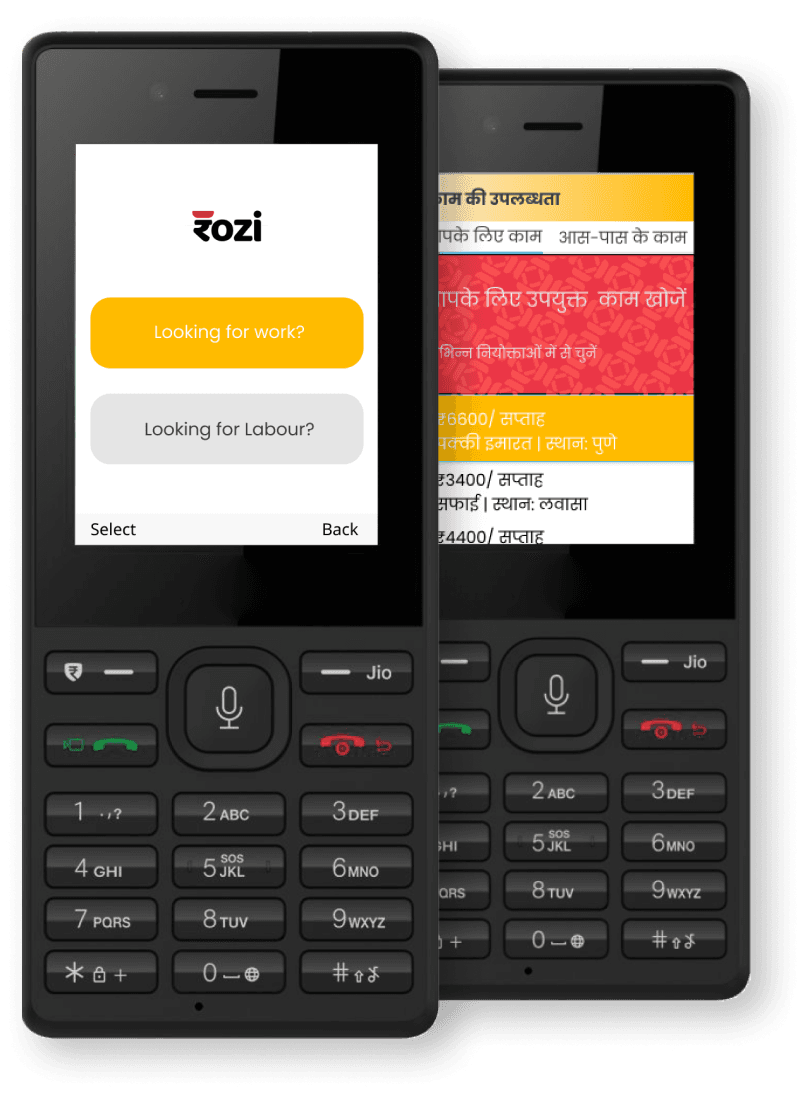
Use technology to help a socio-economically backward community meet their everyday needs — and hand them a reliable alternative to the middleman.
Rozi gives migrant workers control over what, when and how they work by cutting out the contractor. Anyone seeking work near them can use it.
Designed first for unskilled workers on the employee side — the people the current system serves the least.
Mashidur needs steady income and healthcare — and a way to find work without walking door to door, because the middlemen he depends on are unreliable.
A contractor in the middle means wages skimmed, hours hidden, and no recourse when either side breaks trust. The contractor negotiates on both sides and pockets a margin from each — with no paperwork, no accountability, and no shared record of what was actually agreed.
Labour migration within India is crucial for economic growth and improving people's socio-economic condition — it can raise income, build skills, and widen access to healthcare and education.
The contribution of migrant workers is enormous, yet little is offered in return for their security and well-being. Without making migration dignified, inclusive growth stays a distant dream.
Post-1980s growth triggered inter-state migration as opportunity outweighed the cost of moving — making portable food security, healthcare and a basic social-security framework crucial to migrant welfare.
What are the competitors doing?
Pain points
- Middle man
- Language barrier
- Work-only spaces
- Lack of sustainable income
- Most apps assume touch-screen devices
- apna50,000+ openings; connects workers to companies in metros
- Rojgaar (My Rojgaar)finds unskilled & semi-skilled labour near you
- Labouradda“Karlo Labour, Phone Pe” — connect to the nearest mandi
- Jobsgaarlocation-first job search for blue-collar roles
- VahanAI matching of job-seekers & employers inside messaging apps
We started in the field, not in the brief.
Within the first two hours we were at railway stations and bus stands — talking to workers, not about them. Research ran as a design-thinking process: empathize, define, ideate, then prototype, each phase feeding a concrete output into the next.
We talked to workers, not about them.
Life-mapping sessions at railway stations, bus stands and construction sites. The pattern held across every conversation: workers don't know their wage until payday, because the contractor negotiates on both sides and keeps the difference. There is no shared ground truth.
I met him at the roadside, smoking his beedi before the walk to the construction site. He's worked in Kerala on and off for 2½ years — originally from Murshidabad, Kolkata. A wife and two children wait on his income. The words he kept returning to: “Adjust karna padta hai.” He scratched at his skin as we spoke — which led him to accommodation and sanitation. He also spoke about how the Covid days hit him.
- Mashidur Shaik26
- Nitin22
- Babu20
- Arvind20
- Raju25
- Muksit22
Nitin helped Babu and Arvind reach Kerala; now the three travel together. In their downtime, Babu and Arvind play a lot of Free Fire. All three are under a contractor from their own village — which is what earns them a higher wage, ₹900/day. Their contractor has been in Kerala five years. They use Google Pay, but only to buy things — always getting some “computer help” to send money home to their families.
Hame toh adjust karna padta hai.
- Concern about the next day's living
- Need for hygienic stay & living
- Need for proper medical facilities
- Whatever it takes to get a roof over his family and other members
- Fear of losing out on a job
- Concern about future plans & savings
- Doesn't want his family to starve
Four stages, from first job to forced return.
We mapped the full arc of a migrant worker's economic life to find where the contractor system extracts value — and where a direct platform could create it instead.
Peak earning carries the highest exploitation risk; the beginning of exit is where the absence of any safety net costs the most — illness with no recourse, and children pulled into the same cycle.
Secondary wage earners
Primary wage earners
Chronic illness begins to affect earning potential
- Returns to the village
- Low earning potential
- Slides back to poverty
- Children start working
Seven systemic gaps — one rule: don't become the new middleman.
If the contractor extracts value at every node a worker touches, what direct infrastructure could create value at those same nodes? Every idea carried a single constraint — the platform must never become a new intermediary controlling a different part of the chain.
workers
- Follow-ups on bank documents (cheque, bank slip)
- Customer support
- Digital payments on small devices (Nokia, Jio phone)
- Minimal-interaction interfaces
- Post-office banking services
- Recovering forgotten credentials
- Primary healthcare services
- Basic vaccination
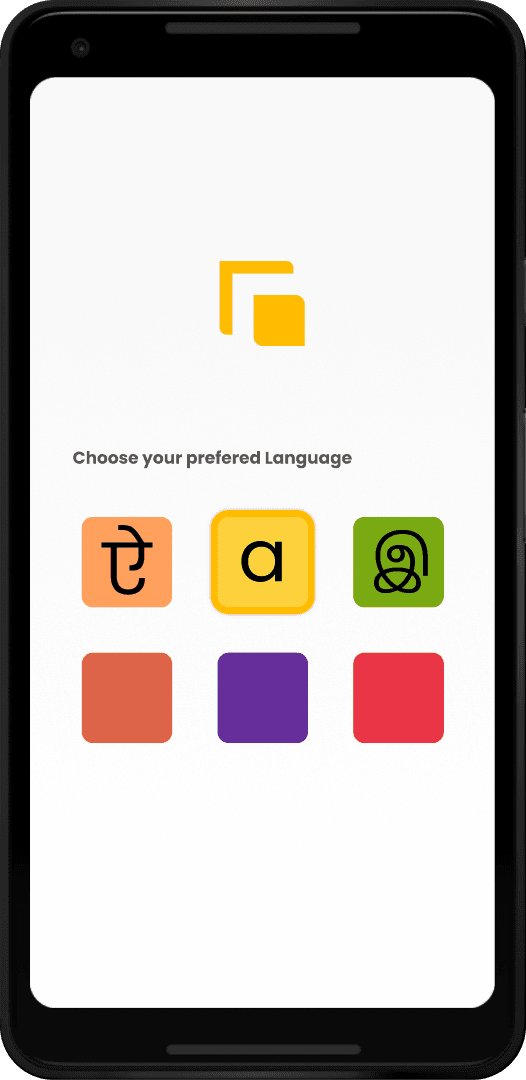
- Addressing language barriers
- Affordable treatment
- Hassle-free hospital experience
- Integrating with hospital-network CSR & online services
- Housing options
- Journey / ticket queries
- Accessing resources for daily use
- Gathering people
- Awareness programmes
- Tool rental
- Job-vacancy / work-availability dashboards
- Upskilling
- Feedback & recommendations from past employers
- A platform for employers
- User verification
- Job-vacancy adverts
- Building a money-saving mentality
- UPI-based salary slips
- A fixed pay scale to refer to
- Reward-based payment
- A database of daily payouts
- New skills to expand where they can work
- Learning a new language to adapt
- Technical education
- Financial literacy
- Participation in local elections
What, and how, can we design for these socio-economic groups?
A two-sided system with a shared record.
Employers post verified requirements; workers browse, apply and get a digital record of the agreed wage. Both sides can withdraw, report and rate. The platform earns by being useful — not by controlling information.
Employer
4 flowsEmployee
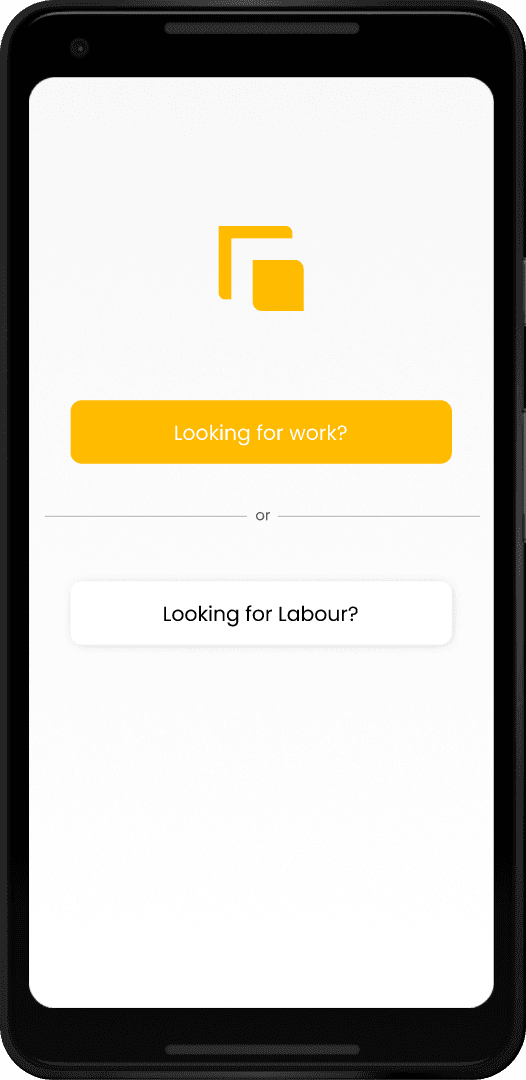
6 flowsWorker looking for a job
Accesses the information centre
Railway stations
Bus stations
Post office
Looks for a job suitable for them
Provides necessary documents
An ID with their name on it
Signs up for the work
Provided with the job details
Gets paid as per the agreed deal
Reward-based payments
Worker looking for a job
Accesses the information centre
Railway stations
Bus stations
Post office
Looks for a job suitable for them
Provides necessary documents
An ID with their name on it
Signs up for the work
Provided with the job details
Gets paid as per the agreed deal
Reward-based payments
Five key journeys, recorded from the prototype.
Every flow was designed for low-end Android phones, 2G networks, and users with limited literacy or English.
Hindi-first. Android-first. Works at a railway kiosk.
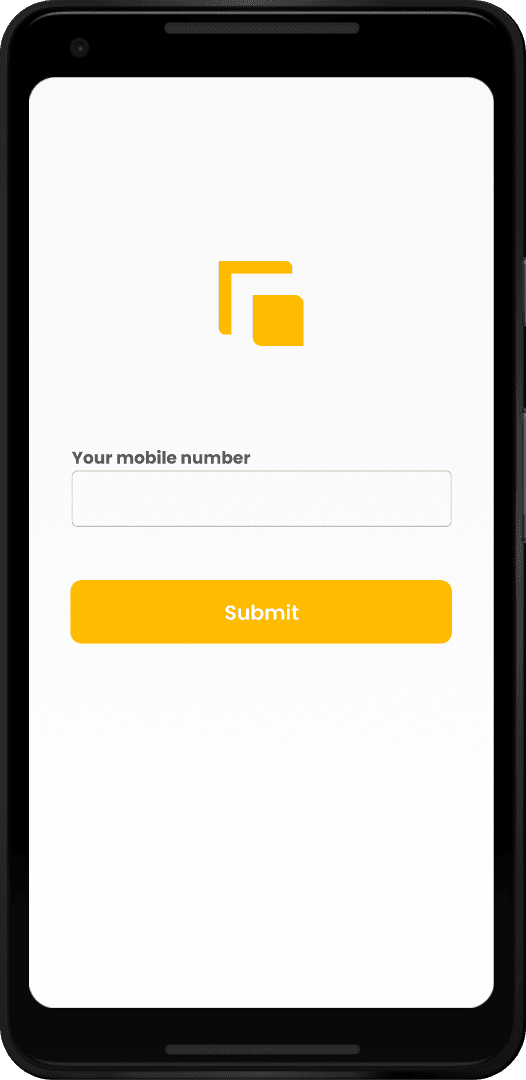
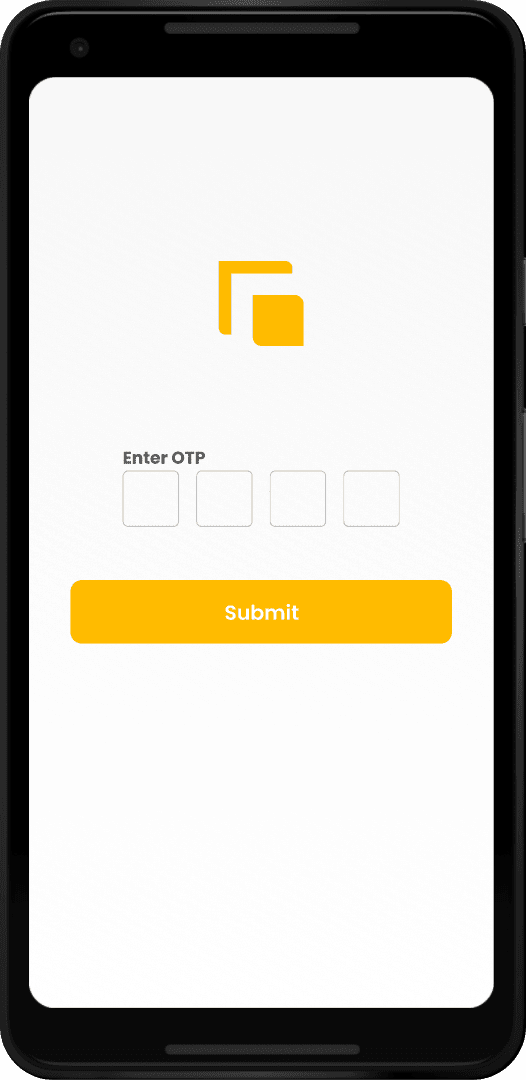
OTP over SMS is the only credential. A phone number is the baseline — nothing more.
Hindi and regional languages are first-class, not translations. English is optional.
Railway-station kiosks and post-office access points for workers without a smartphone.
Every critical flow supports voice navigation for users with limited literacy.
Top 5
SARVA Designathon 2021
National finalist, out of teams across India
Twenty-four hours. One team. A live brief on informal labour, wage exploitation and digital exclusion. The research grounding, the two-sided model and the inclusive constraints were all derived in the field — not in a conference room.
What reached the judging panel: a service where the platform's incentives align with the worker's, not the intermediary's. No skimming, no gatekeeping — just a verified record of an agreed transaction.
A WebAR butterfly-raising experience that extends the Tata Motors Lakehouse to people who'll never visit in person.
← All work