Notes that ripple
beyond the page.
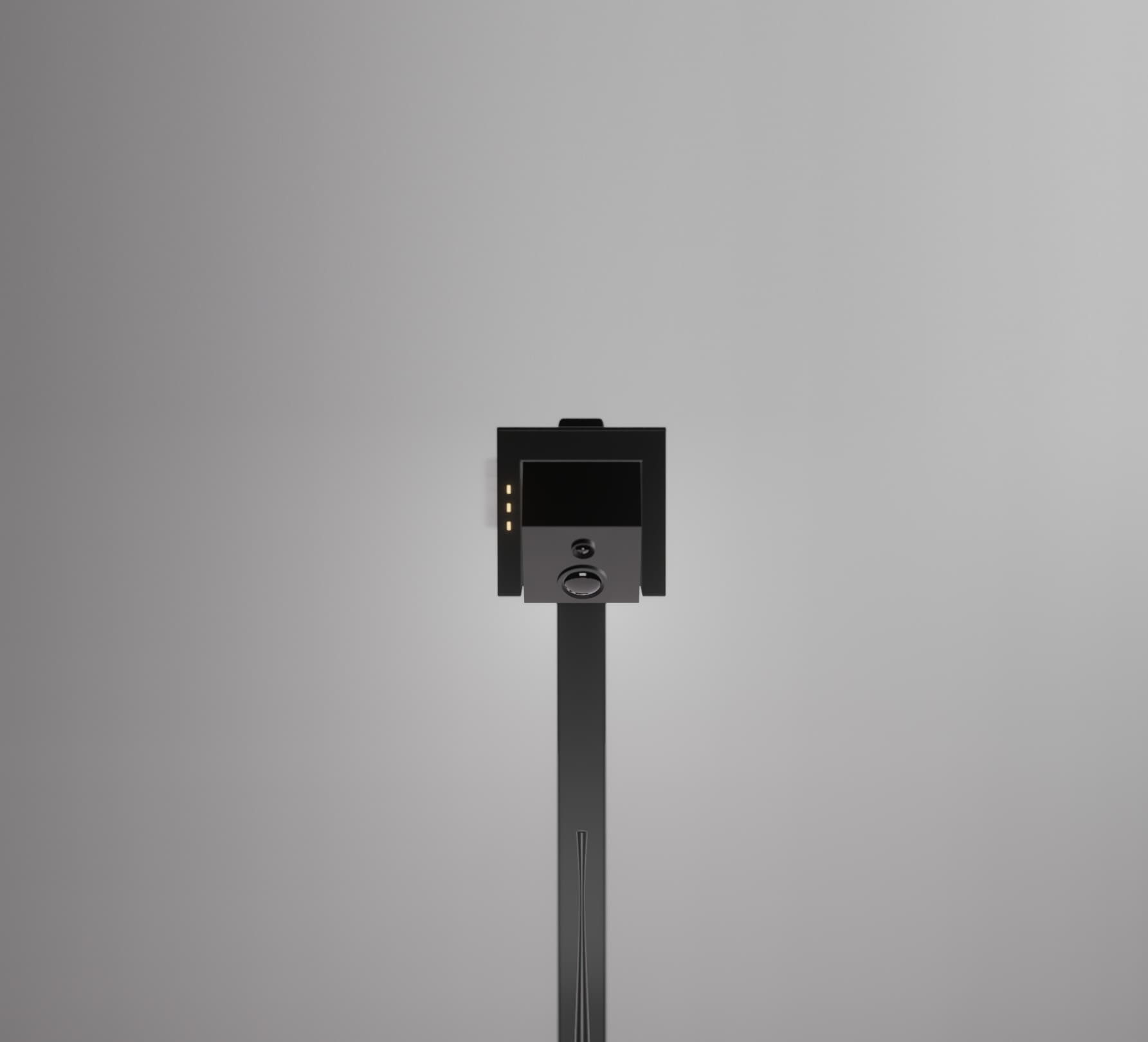
An advanced projector-table lamp that makes reading and note-taking more focused, immersive, and interactive, without replacing the book.
I observed distracted reading among my peers at NID and began an ambiguous journey: could emerging technology improve learning without interrupting its most natural ritual?
Initial observation / NID GandhinagarDense terminology, high-stakes recall, limited time.
Instant definitions beside the text, without losing place.
Months of multi-subject revision, cross-referencing sources.
Linked notes that surface related material automatically.
Annotating papers, connecting ideas across books and journals.
Projection layer that keeps context visible while reading.
A lamp that thinks with you.
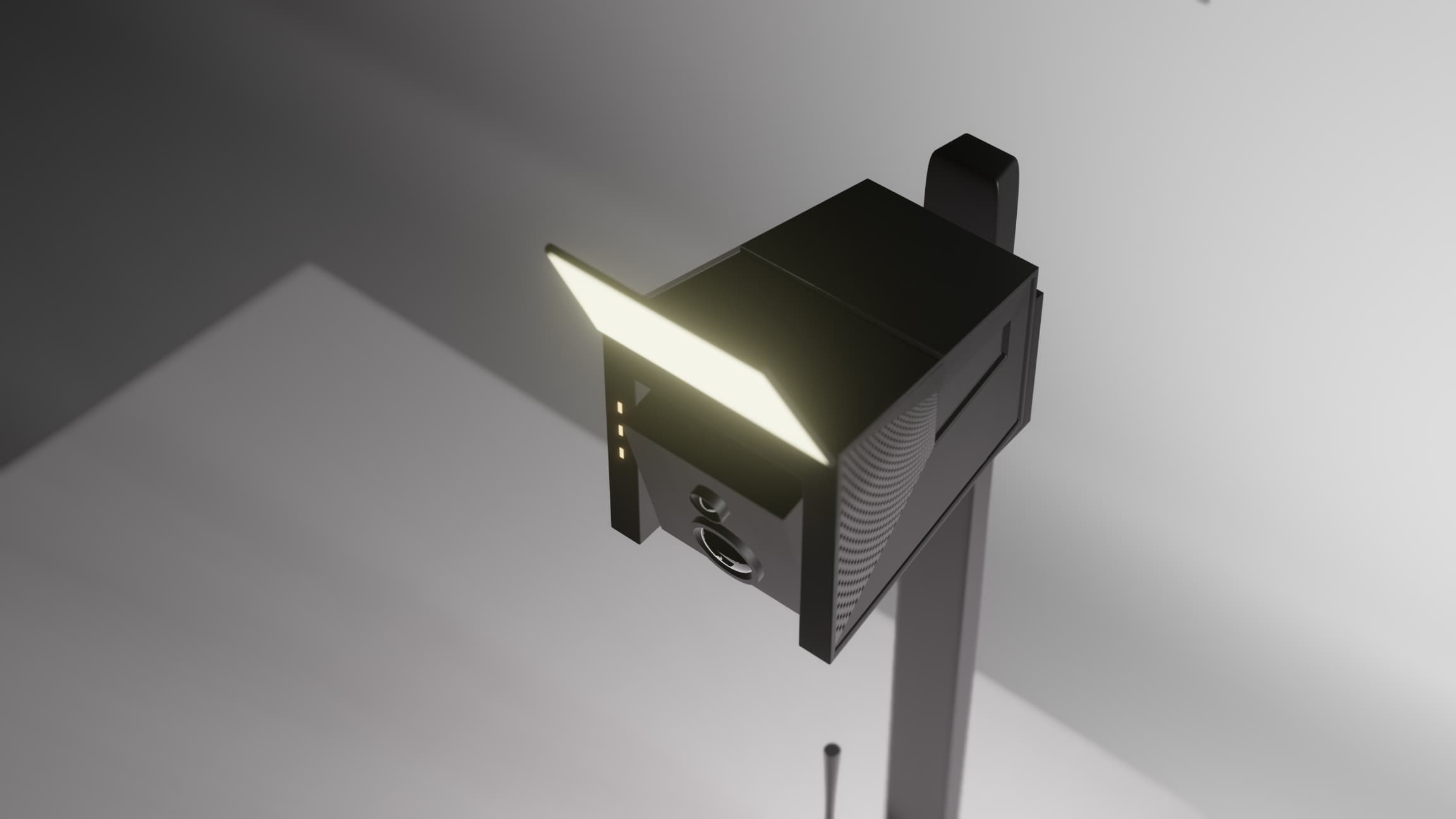
Rippl lives in your study space. It looks like a table lamp. It works like a reading companion. Point it at the book you're reading, mark a term, and it fills the space beside your page with exactly what you need, without you touching a screen.
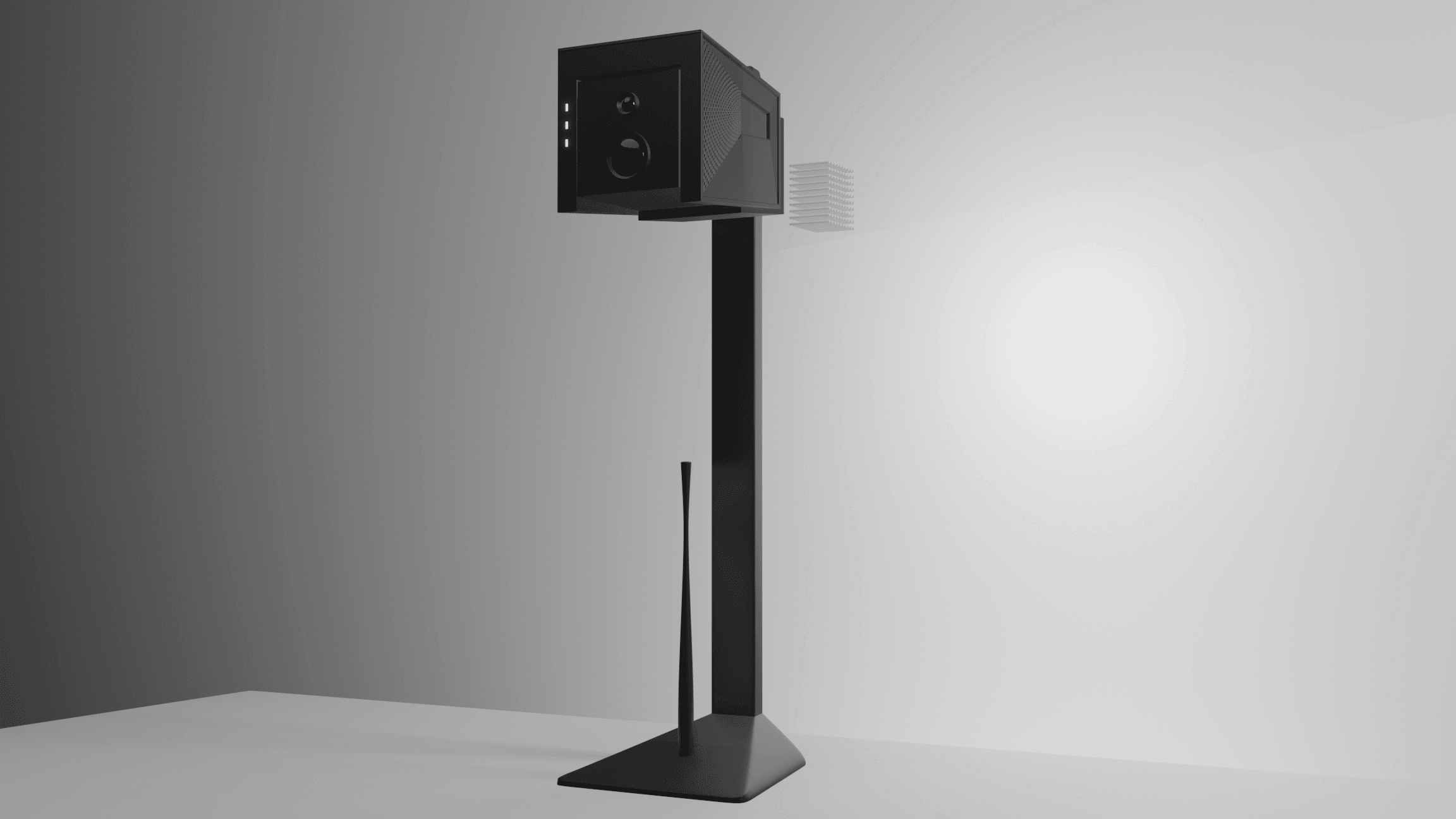
Three components in one object: a lamp, a camera, and a projector. Three things people already understand, combined into something that asks for no behaviour change.
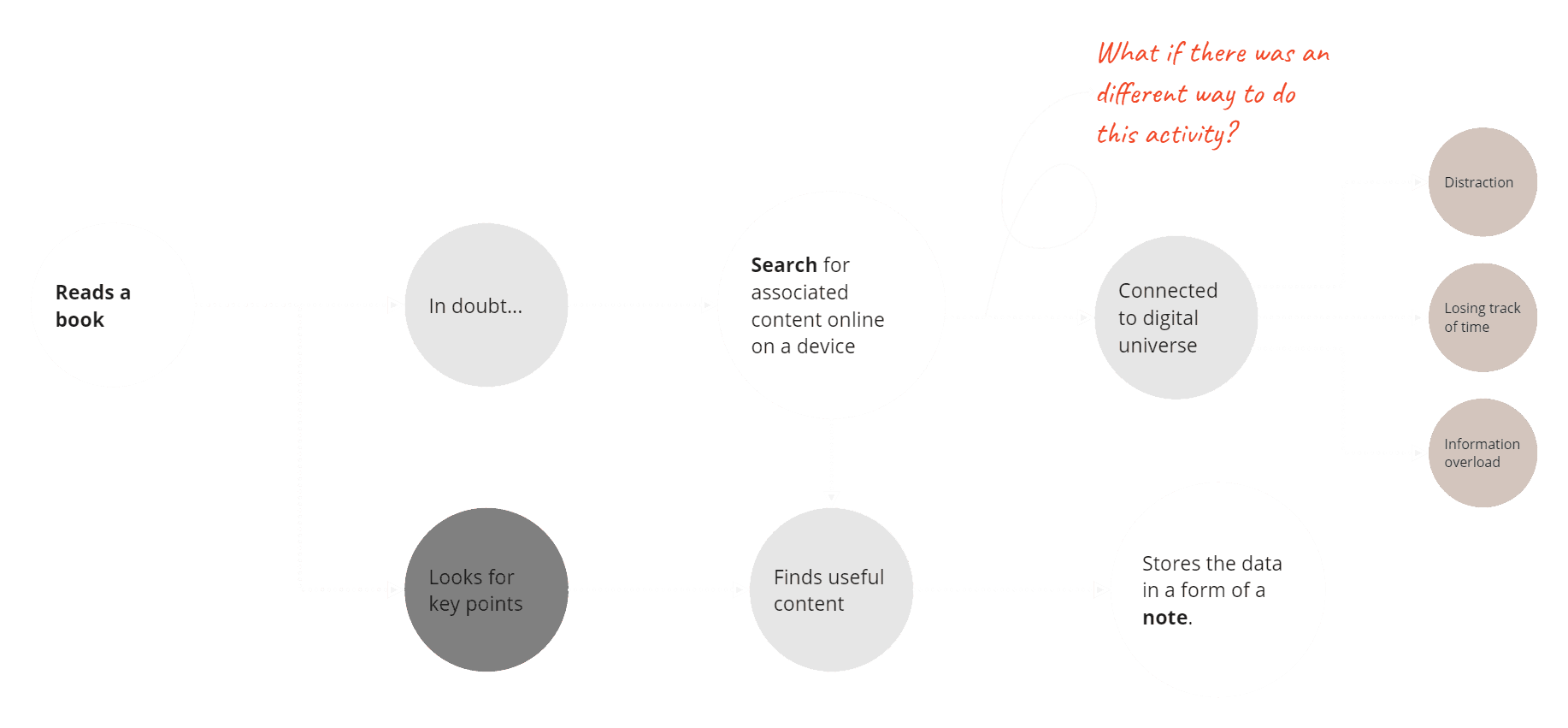
We reach for a book. Then the internet reaches back.
The same pattern surfaced across nearly every session: a reader settles in to study, and within minutes a phone notification pulls their attention off the page.
Impaired focus
Technological interruptions reduce comprehension and make it harder to remain inside the material. The cost isn't just time. It's the depth of understanding that forms while uninterrupted.
Limited recall
Passive reading makes essential information harder to retrieve when it matters. Without an active encoding mechanism, information enters short-term memory and exits before it's used.
Low engagement
Traditional reading offers few moments for active, two-way participation. The book gives; the reader takes. There is no feedback loop that signals whether understanding has formed.
What changes when notes ripple back.
The intervention happens at the moment of marking, the gesture that already exists in every reader's practice.
How might we create an engaging learning experience that combats distraction, improves retention, and deepens understanding?
The recognition
pipeline.
When a user marks a term, Rippl's camera captures a frame of the page. A Python OCR model extracts the highlighted text, queries a knowledge base, and returns structured information, all within the time it takes to lift the pen.
The handwriting recognition model was trained separately to handle margin annotations and personal notes, treating the reader's own writing as input, not just the printed text.
Mark it.
Meet more.
Highlight a term as you already would. Rippl recognises the mark, projects relevant information, and lets you keep what matters beside the original page, without switching context.
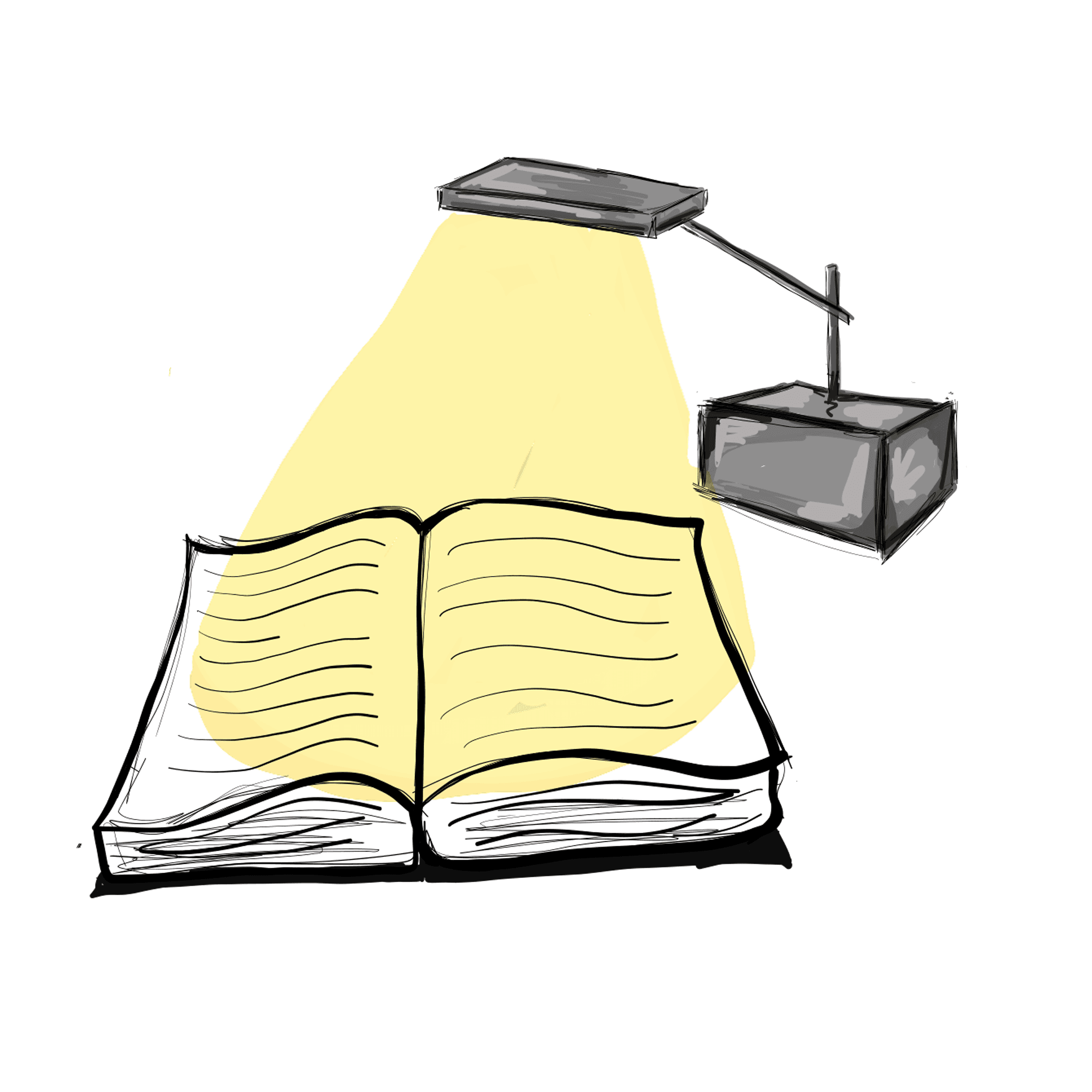
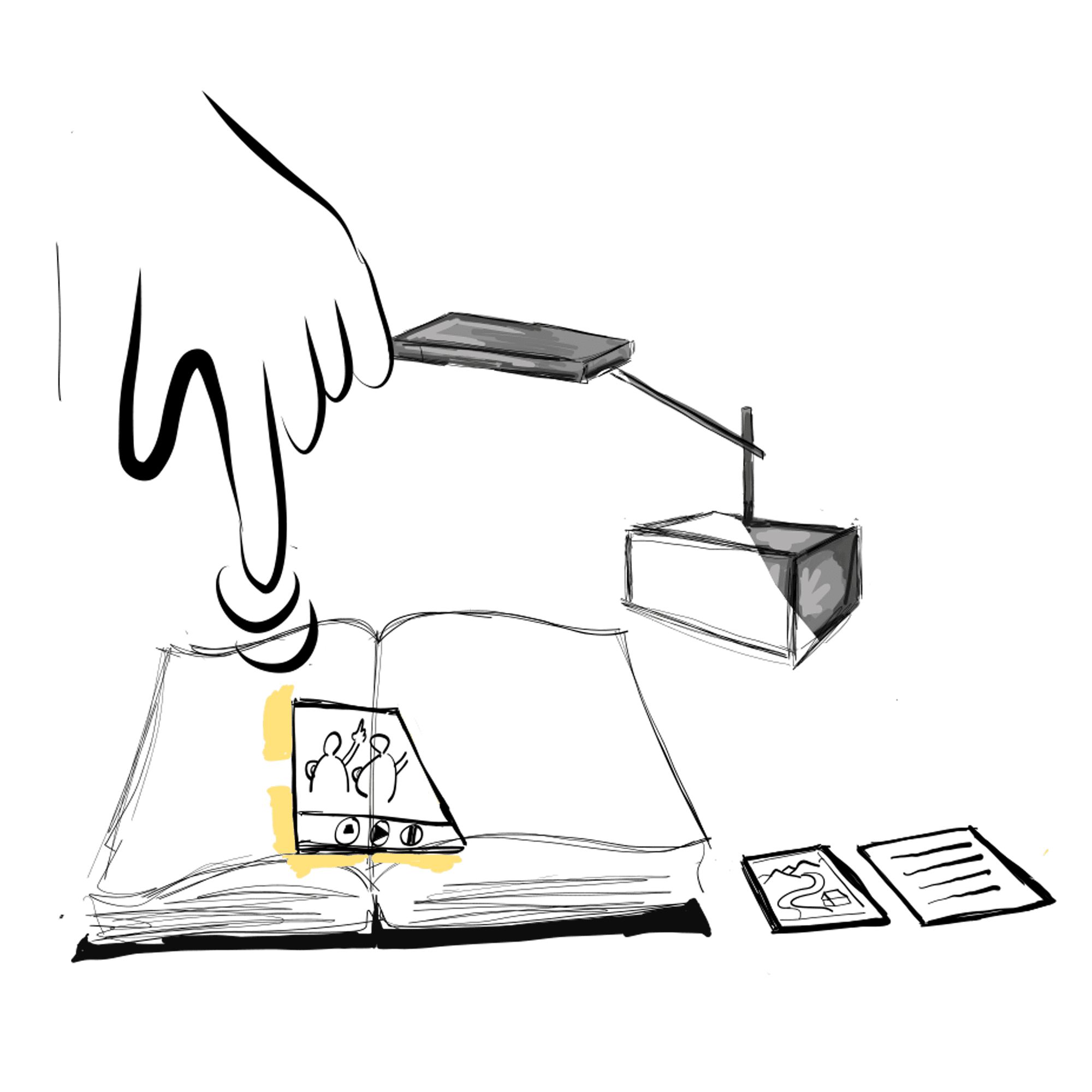
Information, where attention is.
Study light.
Portable projector.
The same device serves two modes: a reading lamp with projection intelligence, and a standalone portable projector you can carry to a classroom or lecture. No compromise on either. No settings to switch. The device reads the context.
Every flow, mapped before it was built.
Each interaction was diagrammed end to end before a single screen was wired up: every state, every branch, every fallback. The three flows below were carried through to working prototypes, captured here exactly as they run.
A mark on the page is the only gesture required. Everything past that, what kind of help to generate, in what form, is chosen after the fact, never before.
The same mark gesture branches into categorization instead of annotation. One input, two destinations, chosen at the point of need rather than decided in advance.
Three ways back into past work, previously marked passages, saved content, or flash cards, all converging on the same view, edit, or find actions. The reader never has to remember which bucket something landed in.
Four demonstrations.
Four stages of learning.
Each prototype was built to test a specific hypothesis. They were run publicly, not in a lab, to capture unscripted reactions from real readers.
From daily objects to a new form factor.
The form came from studying objects already trusted in the study space. A table lamp gives light and permission to concentrate. A projector throws content onto a surface. A camera captures and interprets. Three behaviours people already know, merged into one form that asks for no new mental model.
The interaction had to feel invisible. If the user had to think about the device, the device had failed. Every design decision was tested against this rule.
Clear projection
Sharp, legible information exactly where it is useful: beside the text you just marked, not on a separate screen competing for attention.
Automatic recognition
Text capture that turns a familiar mark into a doorway. You highlight. Rippl does the rest. No buttons, no modes, no app to open.
Quiet compatibility
A layer that works with books and notes instead of competing with them. It enhances the reading ritual; it does not replace it.
Learning becomes meaningful when it crosses the distance from knowing to doing.
By combining hands-on experience with cognitive learning, we can remember important lessons and make better choices. Rippl explores that transition, not as another screen, but as a more attentive relationship with the objects already in front of us.
Aravind J · NID Gandhinagar · 2023
Designing the full product experience for an AI-native enterprise platform, demand intake to portfolio value.
← All work